“Am I my culture’s keeper?” meaning
The choice of my title, “Am I my culture’s keeper?” is quite evocative and rich in meaning. By referencing culture keepers in West Africa known as griots, who have been transmitting history from generation to generation for centuries, I am drawing a parallel to their role in preserving and perpetuating culture. This title suggests that I am exploring my own role in preserving and transmitting my culture’s heritage, much like the griots.
Additionally, the reference to the biblical story of Cain and Abel adds another layer of meaning. In this story, Cain asks, “Am I my brother’s keeper?” after killing his brother Abel. The question reflects on one’s responsibility towards others, especially within a community or family. By framing my project title in this way, I am also questioning my responsibility towards my culture and heritage, and perhaps exploring themes of identity, heritage, and legacy.
Overall, my title effectively encapsulates the core themes and questions of my project, inviting the audience to contemplate their own roles and responsibilities in preserving and transmitting cultural heritage.
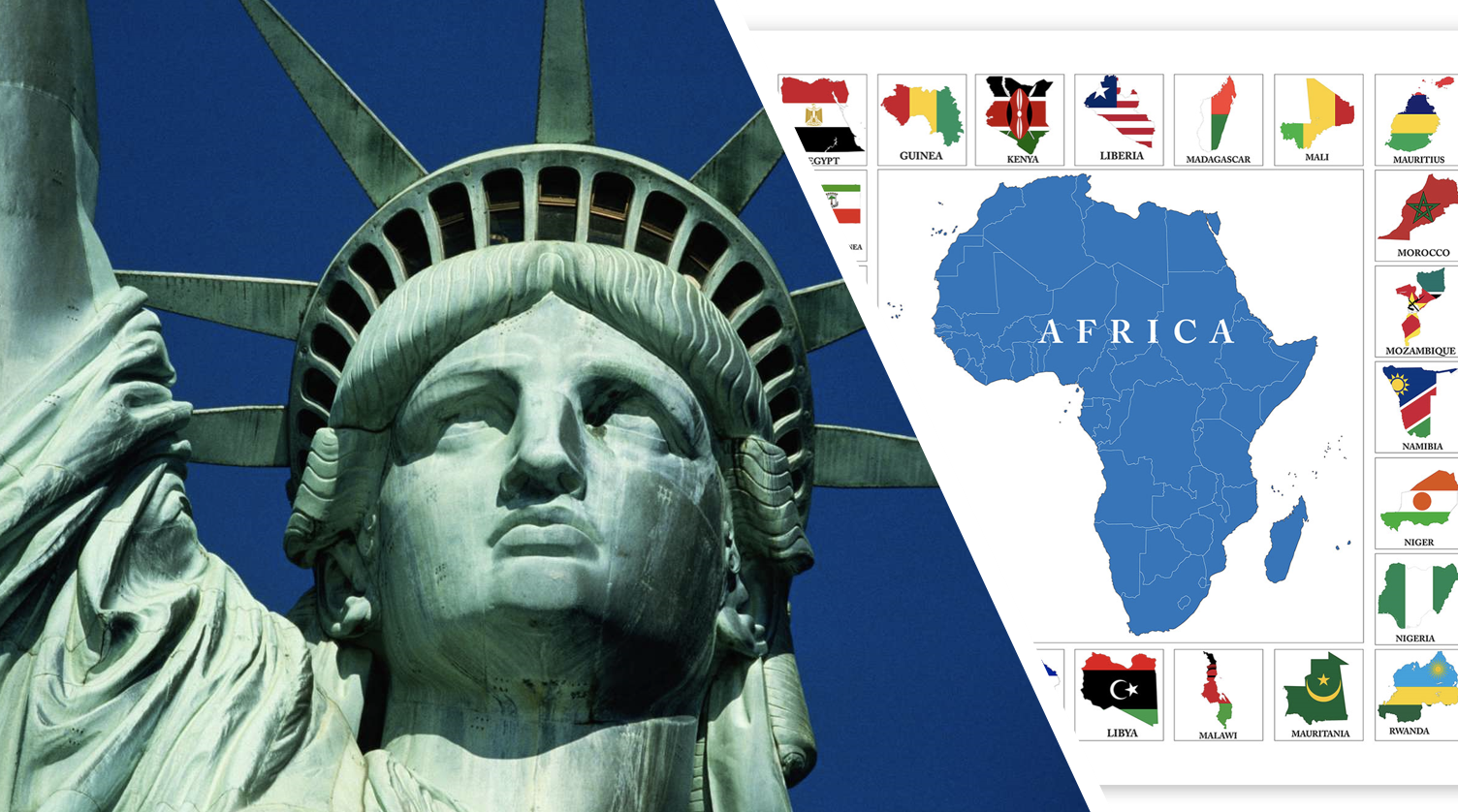
The project explores themes of cultural identity and preservation within the context of the African diaspora. “Am I My Culture’s Keeper?” is a deeply personal exploration of cultural identity and heritage within the context of the African diaspora through the notion of “third culture”. Through a combination of personal reflections, interviews, and archival research, this project delves into the complexities of cultural preservation and transmission. Drawing on the rich oral traditions of the Congo and the diasporic experiences of individuals like myself, the project examines the role of storytelling and orality in shaping cultural identity and understanding. By examining my own experiences and those of others in the diaspora, this project seeks to shed light on the challenges and triumphs of preserving cultural heritage in a rapidly changing world. Ultimately, “Am I My Culture’s Keeper?” is a testament to the resilience of cultural traditions and the importance of embracing and preserving one’s cultural heritage.
Importance of Orality
For me, orality is not just a means of communication but a fundamental part of my being. It is through oral history that I connect with my roots, preserving and perpetuating the traditions passed down through generations. The stories, songs, and myths of my culture are not just entertainment but a way of preserving history, passing down knowledge, and shaping identity.
Impact of Orality
Orality has had a profound impact on my life and work. Rooted in my Congolese heritage, oral traditions have been a fundamental part of my upbringing. From songs and tales to myths and family history, my culture has been transmitted orally, shaping my worldview and understanding of the world.
Oral history, for me, is not just a method of preserving the past; it is a way of understanding the present and shaping the future. By listening to the stories of my ancestors and elders, I have gained a deeper appreciation for my cultural heritage and the importance of preserving it for future generations.
Through my work as an oral historian and storyteller, I seek to highlight the significance of oral traditions in our modern world. I believe that oral history should be considered as important and credible as any other form of knowledge transmission, such as written records or literature.
By recognizing the value of orality, I hope to promote a greater understanding and appreciation for diverse cultural traditions, helping to bridge the gap between different cultures and communities.
“Orality is not just about preserving the past; it is about understanding the present and shaping the future.”
My journey as an oral historian, storyteller, and researcher has been shaped by my experiences as a child of immigrants navigating between different worlds and cultures. My project in New York City, exploring the concept of the third culture within the African Diaspora, is a testament to my commitment to preserving and celebrating diverse cultural traditions.
Through my work, I seek to highlight the challenges and triumphs of young African diaspora individuals as they navigate their identities and find their place in the world. By sharing my own story and amplifying the voices of others, I hope to create a platform for dialogue and understanding, bridging the gap between cultures and communities.
Orality, for me, is not just a method of preserving the past; it is a way of understanding the present and shaping the future. By recognizing the value of oral traditions, I aim to promote a greater appreciation for diverse cultural heritage and foster a sense of belonging for all.